
Free 60 minute Masterclass
Free 60 minute Masterclass
Free 60 minute Masterclass
How to Create a Calmer Home That Helps Your
ADHD or Autistic Child Regulate,
Sleep Better & Thrive
How to Create a Calmer Home That Helps Your
ADHD or Autistic Child Regulate,
Sleep Better & Thrive
How to Create a Calmer Home That Helps Your
ADHD or Autistic Child Regulate,
Sleep Better & Thrive
Learn how your home could be contributing to your child’s overwhelm — and the simple
changes that can help ease meltdowns,
support regulation and make everyday family life feel calmer.
Learn how your home could be contributing to your child’s overwhelm — and the simple
changes that can help ease meltdowns,
support regulation and make everyday family life feel calmer.
Learn how your home could be contributing to your child’s overwhelm — and the simple
changes that can help ease meltdowns,
support regulation and make everyday family life feel calmer.
Does This Sound Like Your Family?
You're exhausted from trying to help, and nothing seems to make a lasting difference.
Your child is having frequent meltdowns, anxiety, sensory overwhelm or struggles to regulate their emotions.
Bedtime, mealtimes, homework or simply leaving the house can quickly end in tears or frustration.
You're exhausted, overwhelmed and wondering if you're somehow getting it wrong.
Your home no longer feels like the calm, safe place your family desperately needs.
The whole family feels the impact
When one child is overwhelmed, the whole family feels it. Siblings can miss out on attention, relationships become strained, everyone starts dreading certain parts of the day, sleep suffers and trying to concentrate at work feels almost impossible. Instead of home being the place where you all recharge, it can begin to feel like the most stressful place to be.
If any of this sounds familiar, please know you're not failing as a parent
The problem isn't that you're not trying hard enough, it may simply be that your child's environment isn't yet supporting their nervous system in the way they need.
You've spent years trying to change routines. What if the missing piece isn't another parenting strategy?
Does This Sound Like Your Family?
You're exhausted from trying to help, and nothing seems to make a lasting difference.
Your child is having frequent meltdowns, anxiety, sensory overwhelm or struggles to regulate their emotions.
Bedtime, mealtimes, homework or simply leaving the house can quickly end in tears or frustration.
You're exhausted, overwhelmed and wondering if you're somehow getting it wrong.
Your home no longer feels like the calm, safe place your family desperately needs.
The whole family feels the impact
When one child is overwhelmed, the whole family feels it. Siblings can miss out on attention, relationships become strained, everyone starts dreading certain parts of the day, sleep suffers and trying to concentrate at work feels almost impossible. Instead of home being the place where you all recharge, it can begin to feel like the most stressful place to be.
If any of this sounds familiar, please know you're not failing as a parent
The problem isn't that you're not trying hard enough, it may simply be that your child's environment isn't yet supporting their nervous system in the way they need.
You've spent years trying to change routines. What if the missing piece isn't another parenting strategy?
Save The Date
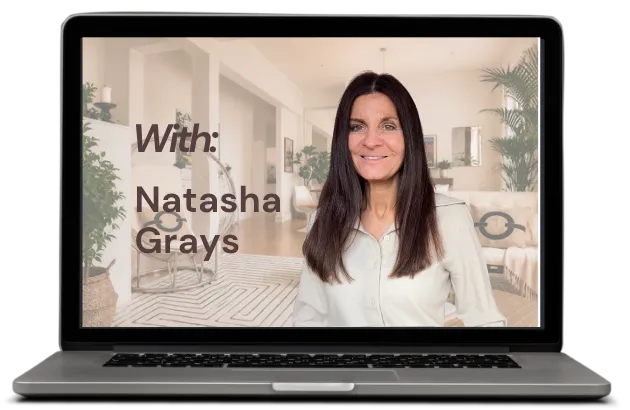
Add It To Your Calendar
FREE
MASTERCLASS
Wednesday
30th September
7.30pm-8.30pm
GMT
Save The Date
Add It To Your Calendar
FREE
MASTERCLASS
Wednesday
30th September
7.30pm-8.30pm
GMT
Save The Date
Add It To Your Calendar
FREE
MASTERCLASS
Wednesday
30th September
7.30pm-8.30pm
GMT
During This Free 60-Minute Masterclass You'll Discover How To:
Reduce meltdowns by creating a home that supports your child's nervous system
Create a bedroom that naturally encourages deeper, more restful sleep
Help your child focus more easily without constant reminders and frustration
Make mealtimes, mornings and daily transitions calmer and less stressful
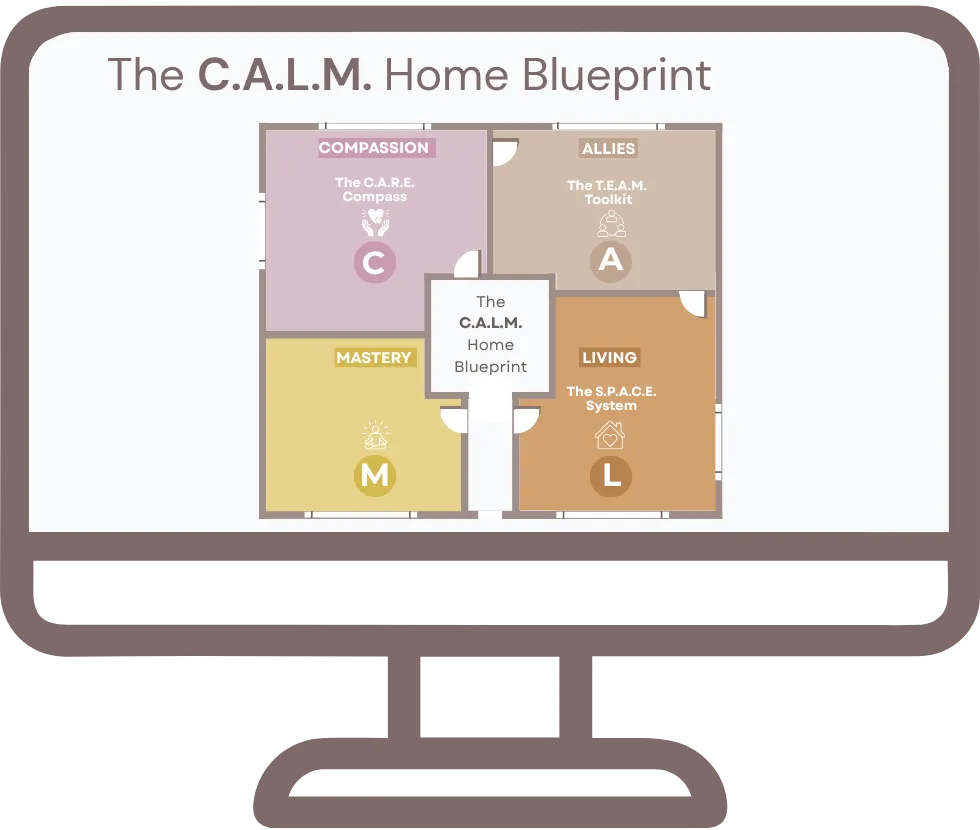
Use The C.A.L.M. Home Blueprint™ to create to create a calmer, happier home, without expensive renovations or guesswork
You'll stop wondering what's ‘wrong’ with your child... and start understanding what their nervous system needs to thrive.
During This Free 60-Minute Masterclass You'll Discover How To:
Reduce meltdowns by creating a home that supports your child's nervous system
Create a bedroom that naturally encourages deeper, more restful sleep
Help your child focus more easily without constant reminders and frustration
Make mealtimes, mornings and daily transitions calmer and less stressful
Use The C.A.L.M. Home Blueprint™ to create to create a calmer, happier home, without expensive renovations or guesswork
You'll stop wondering what's ‘wrong’ with your child... and start understanding what their nervous system needs to thrive.
During This Free 60-Minute Masterclass You'll Discover How To:
Reduce meltdowns by creating a home that supports your child's nervous system
Create a bedroom that naturally encourages deeper, more restful sleep
Help your child focus more easily without constant reminders and frustration
Make mealtimes, mornings and daily transitions calmer and less stressful
Use The C.A.L.M. Home Blueprint™ to create to create a calmer, happier home, without expensive renovations or guesswork
You'll stop wondering what's ‘wrong’ with your child... and start understanding what their nervous system needs to thrive.
The Solution
What if your home could become part of the solution?
Most parenting advice focuses on changing routines or behaviour. But one of the biggest influences on your child's nervous system is something that's often overlooked-their environment.
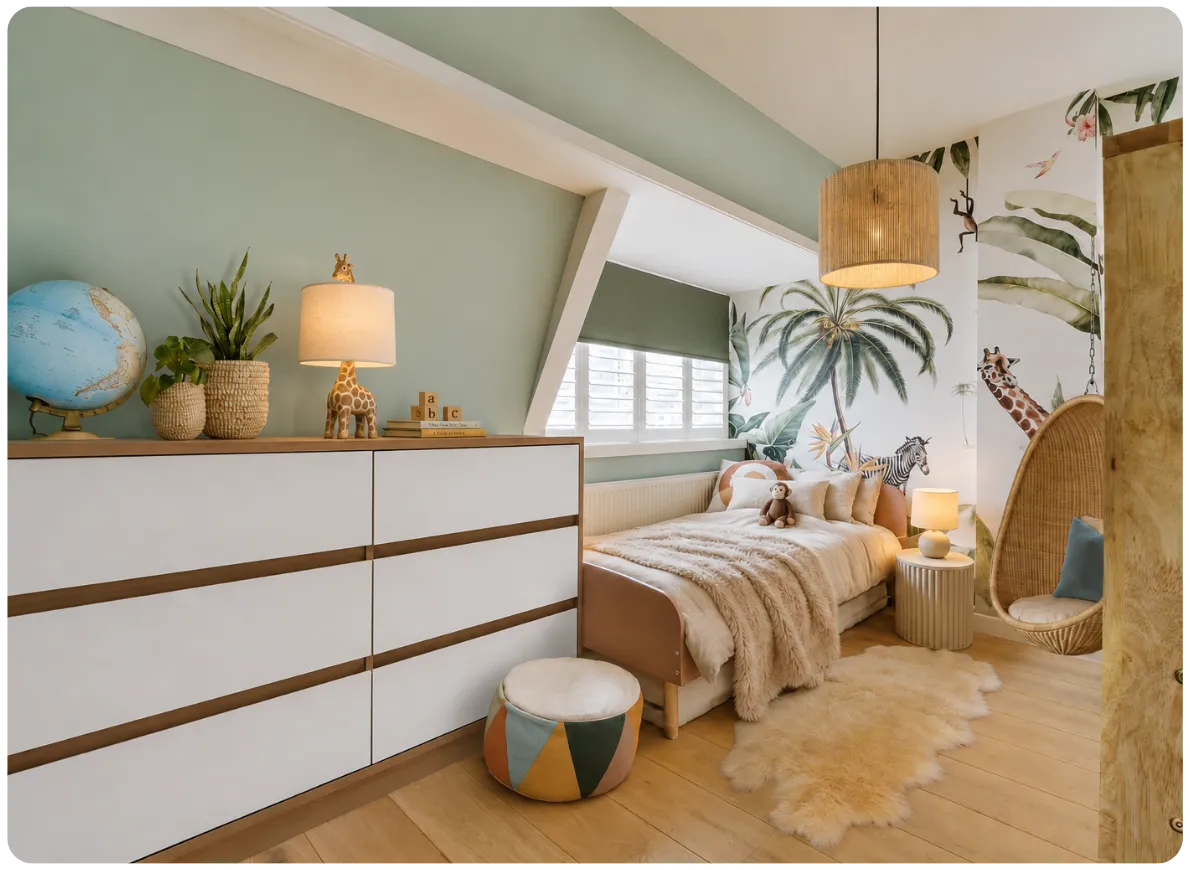
Through my CALM Home Blueprint™, you'll discover how simple changes to your home, combined with supportive daily routines, can help reduce sensory overwhelm (which can cause the challenging behaviours) and create an environment that supports emotional regulation, better sleep, improved focus and a calmer family life.
Instead of constantly walking on eggshells and ‘putting out fires’, you'll start creating a home that works with your child's nervous system-not against it.
The Solution
What if your home could become part of the solution?
Most parenting advice focuses on changing routines or behaviour. But one of the biggest influences on your child's nervous system is something that's often overlooked-their environment.
Through my CALM Home Blueprint™, you'll discover how simple changes to your home, combined with supportive daily routines, can help reduce sensory overwhelm (which can cause the challenging behaviours) and create an environment that supports emotional regulation, better sleep, improved focus and a calmer family life.
Instead of constantly walking on eggshells and ‘putting out fires’, you'll start creating a home that works with your child's nervous system-not against it.
The Solution
What if your home could become part of the solution?
Most parenting advice focuses on changing routines or behaviour. But one of the biggest influences on your child's nervous system is something that's often overlooked-their environment.
Through my CALM Home Blueprint™, you'll discover how simple changes to your home, combined with supportive daily routines, can help reduce sensory overwhelm (which can cause the challenging behaviours) and create an environment that supports emotional regulation, better sleep, improved focus and a calmer family life.
Instead of constantly walking on eggshells and ‘putting out fires’, you'll start creating a home that works with your child's nervous system-not against it.
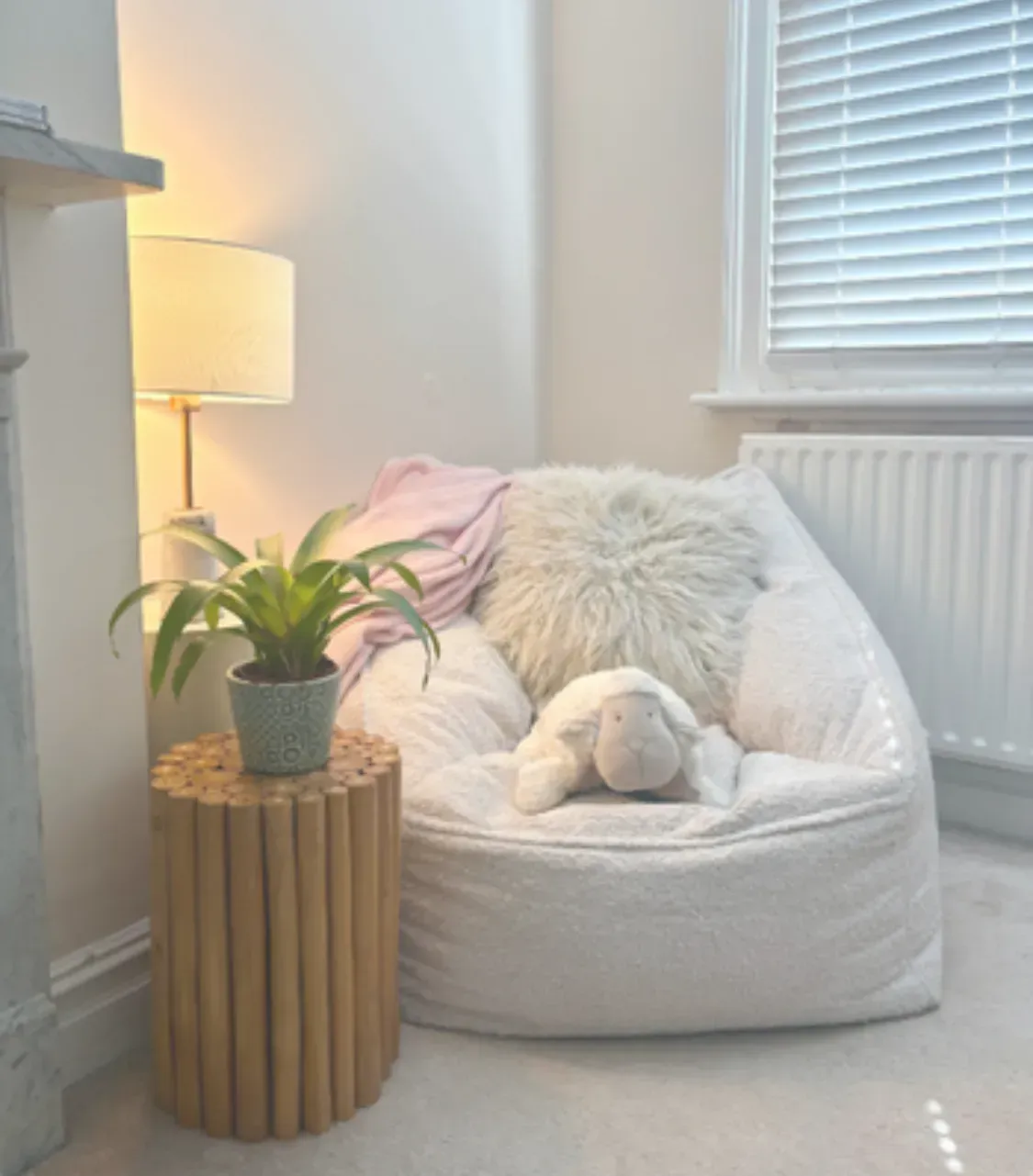
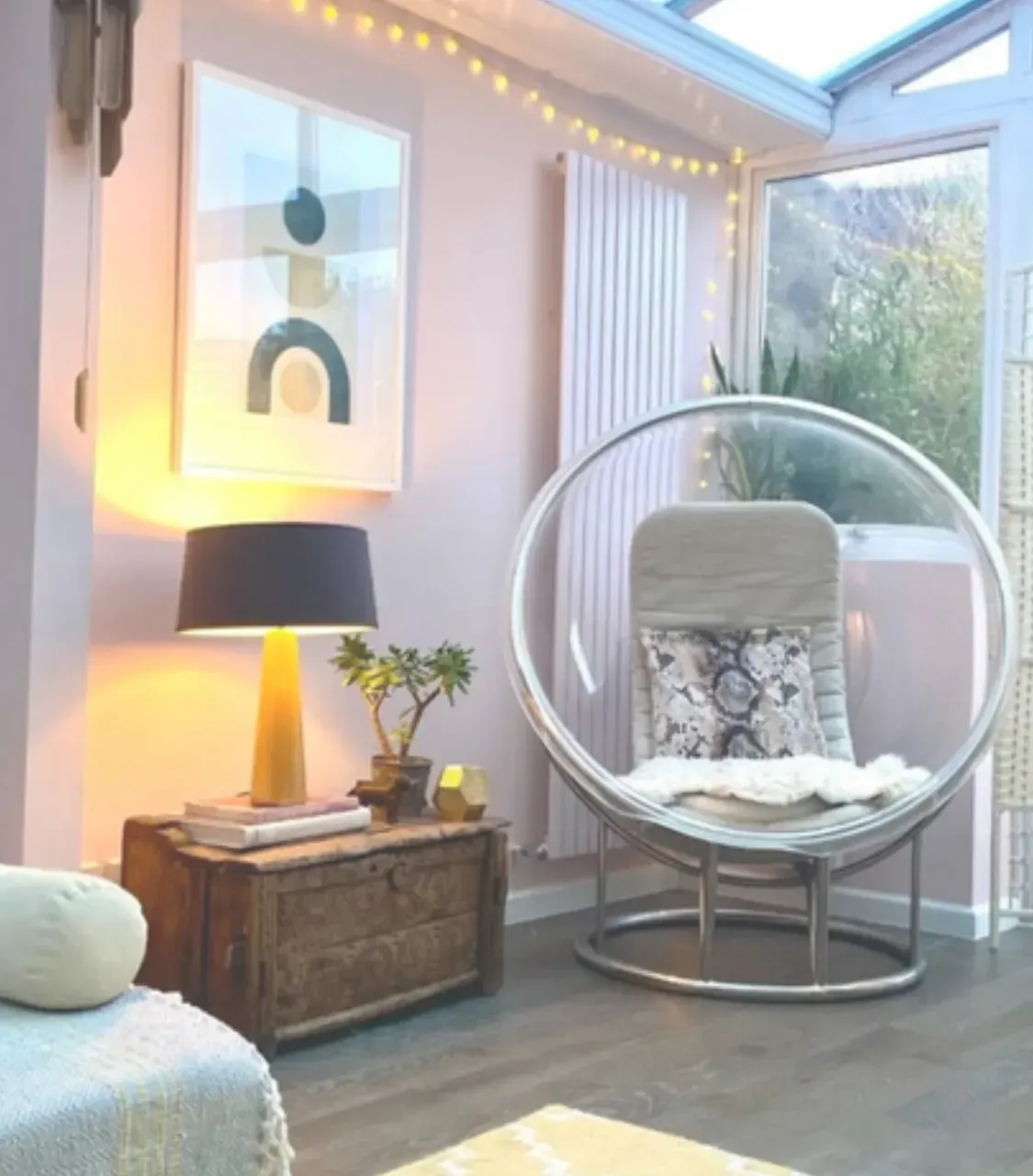
Meet The C.A.L.M. Home Blueprint™
A step-by-step roadmap that helps you transform your home into one of the greatest tools for supporting your child's nervous system.
Instead of wondering where to start, you'll have a simple framework that guides you through the areas that make
the biggest difference, from your mindset and support network to your home environment and daily routines.
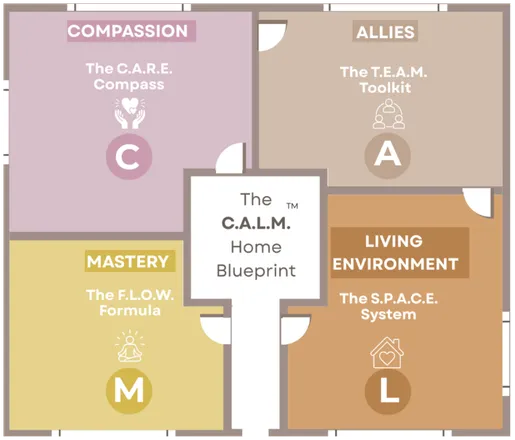
Meet The C.A.L.M. Home Blueprint™
A step-by-step roadmap that helps you transform your home into one of the greatest tools for supporting your child's nervous system.
Instead of wondering where to start, you'll have a simple framework that guides you through the areas that make
the biggest difference, from your mindset and support network to your home environment and daily routines.
Imagine How Your Home Could Feel ?
Imagine smoother mornings and transitions, with your child getting dressed and leaving the house feeling calm and ready for their day.
Imagine relaxed family mealtimes, where you can, connect, enjoy eating and actually enjoy each other's company.
Visualise your child settling into homework or an activity and being able to focus, while you get on with what you need to do...
Picture a gentle wind-down to bedtime, and after a story and cuddle, they settle and sleep peacefully.
And imagine how YOU would feel...more confident in understanding what your child needs, with more energy and space to enjoy being a family again.
A home where your child can feel calmer, safer and more supported—and where your whole family has more space to connect, rest and thrive.
Imagine How Your Home Could Feel ?
Imagine smoother mornings and transitions, with your child getting dressed and leaving the house feeling calm and ready for their day.
Imagine relaxed family mealtimes, where you can, connect, enjoy eating and actually enjoy each other's company.
Visualise your child settling into homework or an activity and being able to focus, while you get on with what you need to do...
Picture a gentle wind-down to bedtime, and after a story and cuddle, they settle and sleep peacefully.
And imagine how YOU would feel...more confident in understanding what your child needs, with more energy and space to enjoy being a family again.
A home where your child can feel calmer, safer and more supported—and where your whole family has more space to connect, rest and thrive.
You Don't Have to Take My Word for It...
 Elizabeth
Mum & Occupational Therapist
Not only is my ADHD son’s space more organised,
but his approach to studying has improved as well.
For anyone considering working with Natasha,
I can't recommend her enough.
Elizabeth
Mum & Occupational Therapist
Not only is my ADHD son’s space more organised,
but his approach to studying has improved as well.
For anyone considering working with Natasha,
I can't recommend her enough.
 Tim
Father & Co Director
Now my son eats better
and we actually enjoy family time.
Tim
Father & Co Director
Now my son eats better
and we actually enjoy family time.
 Marie
Mum & Counsellor
We've seen a huge improvement
in our daughter’s ability to regulate.
Marie
Mum & Counsellor
We've seen a huge improvement
in our daughter’s ability to regulate.
 Alex
International Liaison Office
Natasha transformed my apartment into a home
that feels calm, comfortable, and perfectly suited
to my family’s needs. Her passion, creativity,
and thoughtful approach to lighting, textures,
and ambience made all the difference.
Alex
International Liaison Office
Natasha transformed my apartment into a home
that feels calm, comfortable, and perfectly suited
to my family’s needs. Her passion, creativity,
and thoughtful approach to lighting, textures,
and ambience made all the difference.
 Beth
Mum & Property Investor
I am incredibly grateful for Natasha's support
in helping me create sensory-friendly spaces—
my son feel less agitated, settles to sleep easier
and routines are smoother!
Beth
Mum & Property Investor
I am incredibly grateful for Natasha's support
in helping me create sensory-friendly spaces—
my son feel less agitated, settles to sleep easier
and routines are smoother!
Since implementing Natasha's suggestions, she feels far calmer and genuinely enjoys spending time there.
 Kate
Mum & Nurse
Natasha’s sensory design transformed our home
into a calmer, more supportive space.
Kate
Mum & Nurse
Natasha’s sensory design transformed our home
into a calmer, more supportive space.
Her use of lighting, textures, and layout has truly helped our child feel more at ease, improving focus, relaxation, and daily routines... not just for them but for all of us.
 Helen
Mum & Landscape Gardener
We've seen a huge improvement in our
10 yr old son’s emotions—he’s brighter,
calmer, more at ease and now joins us
more at the dinner table.
Helen
Mum & Landscape Gardener
We've seen a huge improvement in our
10 yr old son’s emotions—he’s brighter,
calmer, more at ease and now joins us
more at the dinner table.
You Don't Have to Take My Word for It...
Elizabeth
Mum & Occupational Therapist
Not only is my ADHD son’s space more organised,
but his approach to studying has improved as well.
For anyone considering working with Natasha,
I can't recommend her enough.
Tim
Father & Co Director
Now my son eats better
and we actually enjoy family time.
Marie
Mum & Counsellor
We've seen a huge improvement
in our daughter’s ability to regulate.
Alex
International Liaison Office
Natasha transformed my apartment into a home
that feels calm, comfortable, and perfectly suited
to my family’s needs. Her passion, creativity,
and thoughtful approach to lighting, textures,
and ambience made all the difference.
Beth
Mum & Property Investor
I am incredibly grateful for Natasha's support
in helping me create sensory-friendly spaces—
my son feel less agitated, settles to sleep easier
and routines are smoother!
Since implementing Natasha's suggestions, she feels far calmer and genuinely enjoys spending time there.
Kate
Mum & Nurse
Natasha’s sensory design transformed our home
into a calmer, more supportive space.
Her use of lighting, textures, and layout has truly helped our child feel more at ease, improving focus, relaxation, and daily routines... not just for them but for all of us.
Helen
Mum & Landscape Gardener
We've seen a huge improvement in our
10 yr old son’s emotions—he’s brighter,
calmer, more at ease and now joins us
more at the dinner table.
What Makes This Different?

Science-Backed
Learn why your child's environment has such a powerful influence on their nervous system

Real-Life Experience
Created by a sensory design specialist, interior designer & mum who understands the challenges families face

Practical
Simple changes you can make using the home you already have
What Makes This Different?
Science-Backed
Learn why your child's environment has such a powerful influence on their nervous system
Real-Life Experience
Created by a sensory design specialist, interior designer & mum who understands the challenges families face
Practical
Simple changes you can make using the home you already have
What Makes This Different?
Science-Backed
Learn why your child's environment has such a powerful influence on their nervous system
Real-Life Experience
Created by a sensory design specialist, interior designer & mum who understands the challenges families face
Practical
Simple changes you can make using the home you already have
I’ll Be Sharing A Simple Blueprint for a Calmer Home
Because lasting change isn't about one room or one strategy — it's about supporting your child, your home and your family as a whole.
Compassion
Learn how your mindset shapes your child's nervous system and why supporting yourself is just as important as supporting them.
Allies
Build a team around your family and discover where to find the right support.
Living Environment
Transform your home using sensory-led design to reduce overwhelm, improve sleep, support focus and create calmer daily routines.
Mastery
Create simple routines that help your child feel safer, more regulated and more confident every day.
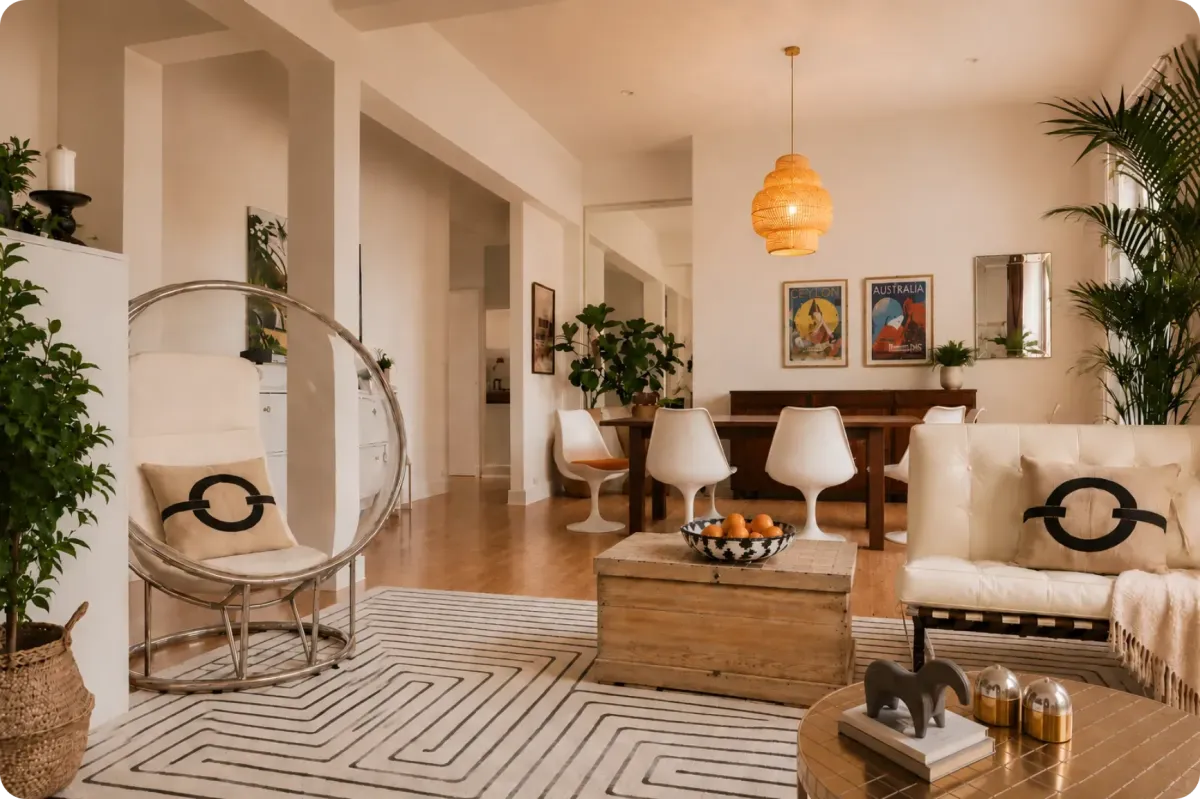
I’ll Be Sharing A Simple Blueprint for a Calmer Home
Because lasting change isn't about one room or one strategy — it's about supporting your child, your home and your family as a whole.
Compassion
Learn how your mindset shapes your child's nervous system and why supporting yourself is just as important as supporting them.
Allies
Build a team around your family and discover where to find the right support.
Living Environment
Transform your home using sensory-led design to reduce overwhelm, improve sleep, support focus and create calmer daily routines.
Mastery
Create simple routines that help your child feel safer, more regulated and more confident every day.
I’ll Be Sharing A Simple Blueprint for a Calmer Home
Because lasting change isn't about one room or one strategy — it's about supporting your child, your home and your family as a whole.
Compassion
Learn how your mindset shapes your child's nervous system and why supporting yourself is just as important as supporting them.
Allies
Build a team around your family and discover where to find the right support.
Living Environment
Transform your home using sensory-led design to reduce overwhelm, improve sleep, support focus and create calmer daily routines.
Mastery
Create simple routines that help your child feel safer, more regulated and more confident every day.
You Might Be Wondering...
My child is still waiting for an assessment. Is this masterclass still suitable?
Absolutely. You don't need a diagnosis to start creating a calmer, more supportive home. If your child struggles with emotional regulation, sensory sensitivities, sleep, focus or frequent overwhelm, you'll find practical ideas you can begin using straight away to make a difference.
Do I need to redecorate my whole house?
Not at all. In fact, most of the changes I recommend are simple, affordable adjustments using the home you already have. This isn't about expensive renovations-it's about making your home environment work better for your child's nervous system.
How quickly might we notice a difference?
Every child is different, but many families begin noticing positive changes within just a few weeks of making simple sensory-led adjustments around the home.
My child already has support from school or therapists. Will this still be useful?
Yes. The home is where your child spends a huge amount of time. This masterclass complements the support they're already receiving by helping you create an environment that reinforces calm, regulation and wellbeing every day.
What if I've already tried everything?
You're not alone, many parents feel exactly the same. Most parenting advice focuses on changing routines or behaviour. This masterclass explores something that's often overlooked: how your home environment can either increase sensory overload or become one of your greatest tools for supporting your child along with the other parts of The C.A.L.M. Home Blueprint.
I'm worried I'll feel overwhelmed with another list of things to do.
You're not alone, many parents feel exactly the same. Most parenting advice focuses on changing routines or behaviour. This masterclass explores something that's often overlooked: how your home environment can either increase sensory overload or become one of your greatest tools for supporting your child along with the other parts of The C.A.L.M. Home Blueprint.
You Might Be Wondering...
My child is still waiting for an assessment. Is this masterclass still suitable?
Absolutely. You don't need a diagnosis to start creating a calmer, more supportive home. If your child struggles with emotional regulation, sensory sensitivities, sleep, focus or frequent overwhelm, you'll find practical ideas you can begin using straight away to make a difference.
Do I need to redecorate my whole house?
Not at all. In fact, most of the changes I recommend are simple, affordable adjustments using the home you already have. This isn't about expensive renovations-it's about making your home environment work better for your child's nervous system.
How quickly might we notice a difference?
Every child is different, but many families begin noticing positive changes within just a few weeks of making simple sensory-led adjustments around the home.
My child already has support from school or therapists. Will this still be useful?
Yes. The home is where your child spends a huge amount of time. This masterclass complements the support they're already receiving by helping you create an environment that reinforces calm, regulation and wellbeing every day.
What if I've already tried everything?
You're not alone, many parents feel exactly the same. Most parenting advice focuses on changing routines or behaviour. This masterclass explores something that's often overlooked: how your home environment can either increase sensory overload or become one of your greatest tools for supporting your child along with the other parts of The C.A.L.M. Home Blueprint.
I'm worried I'll feel overwhelmed with another list of things to do.
You're not alone, many parents feel exactly the same. Most parenting advice focuses on changing routines or behaviour. This masterclass explores something that's often overlooked: how your home environment can either increase sensory overload or become one of your greatest tools for supporting your child along with the other parts of The C.A.L.M. Home Blueprint.
Hi, I’m Natasha
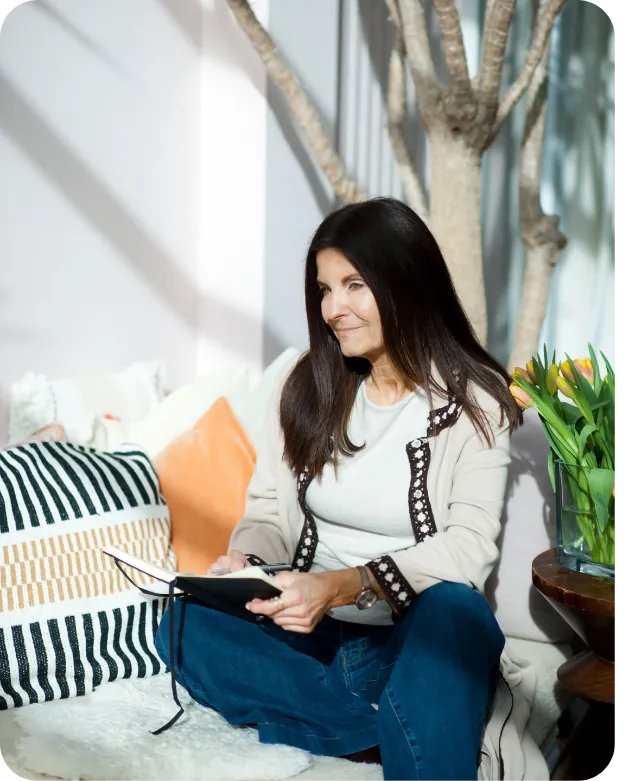
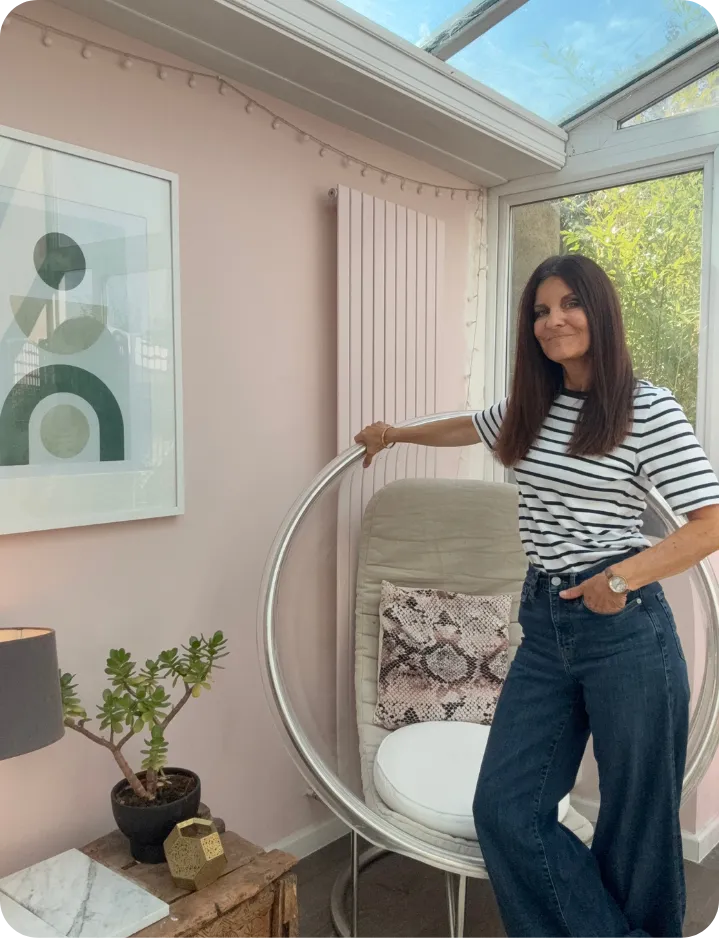

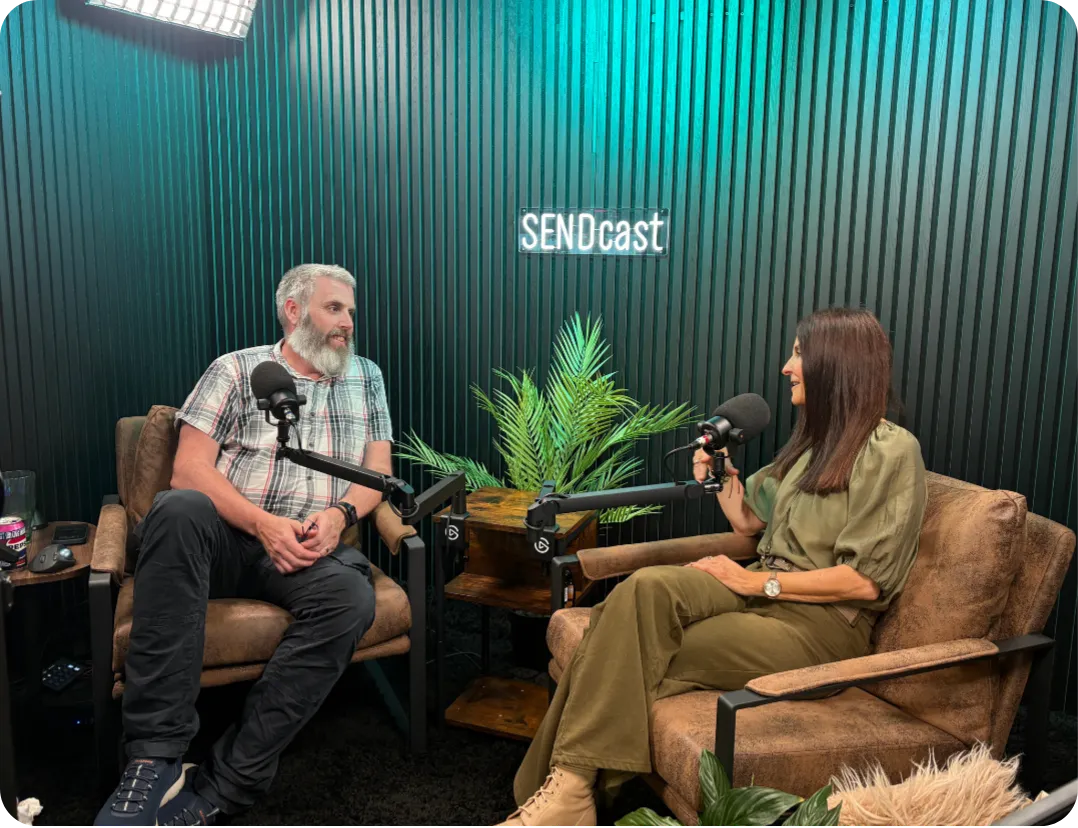
For over 20 years, I'd been designing beautiful homes and understood how profoundly our surroundings can influence the way we think, feel and function.
But becoming the mum of a neurodivergent daughter changed the way I understood home completely.
Like so many parents, I desperately wanted to help her. I tried different routines, researched endlessly, sought professional advice and did everything I thought I was supposed to do.
Yet we were still dealing with meltdowns, difficult bedtimes and days when she was simply overwhelmed by the world around her. And as her mum, that was incredibly hard.
I knew she wasn't being difficult. I knew there was something underneath the behaviour. I just didn't always know what she needed, or how to make things better.
The irony was, I'd spent my career designing people's homes, yet I hadn't understood just how powerfully our own home environment could be affecting her nervous system.
Then a colleague introduced me to sensory-led design.
I began learning how light, colour, sound, texture, clutter, layout and other everyday sensory input can affect a neurodivergent nervous system-and started looking at our home completely differently.
Hi, I’m Natasha
For over 20 years, I'd been designing beautiful homes and understood how profoundly our surroundings can influence the way we think, feel and function.
But becoming the mum of a neurodivergent daughter changed the way I understood home completely.
Like so many parents, I desperately wanted to help her. I tried different routines, researched endlessly, sought professional advice and did everything I thought I was supposed to do.
Yet we were still dealing with meltdowns, difficult bedtimes and days when she was simply overwhelmed by the world around her. And as her mum, that was incredibly hard.
I knew she wasn't being difficult. I knew there was something underneath the behaviour. I just didn't always know what she needed, or how to make things better.
The irony was, I'd spent my career designing people's homes, yet I hadn't understood just how powerfully our own home environment could be affecting her nervous system.
Then a colleague introduced me to sensory-led design.
I began learning how light, colour, sound, texture, clutter, layout and other everyday sensory input can affect a neurodivergent nervous system-and started looking at our home completely differently.
Hi, I’m Natasha
For over 20 years, I'd been designing beautiful homes and understood how profoundly our surroundings can influence the way we think, feel and function.
But becoming the mum of a neurodivergent daughter changed the way I understood home completely.
Like so many parents, I desperately wanted to help her. I tried different routines, researched endlessly, sought professional advice and did everything I thought I was supposed to do.
Yet we were still dealing with meltdowns, difficult bedtimes and days when she was simply overwhelmed by the world around her. And as her mum, that was incredibly hard.
I knew she wasn't being difficult. I knew there was something underneath the behaviour. I just didn't always know what she needed, or how to make things better.
The irony was, I'd spent my career designing people's homes, yet I hadn't understood just how powerfully our own home environment could be affecting her nervous system.
Then a colleague introduced me to sensory-led design.
I began learning how light, colour, sound, texture, clutter, layout and other everyday sensory input can affect a neurodivergent nervous system-and started looking at our home completely differently.
As I made changes, I began seeing changes in her too. She was calmer, able to focus more easily and sleeping better.
That discovery changed the direction of my work.
I combined my 20+ years of interior design experience with sensory-led design knowledge, training as a sensory integration facilitator, years of research and, importantly, what I'd learned through living it myself.
And eventually, The C.A.L.M. Home Blueprint™ was born. Today, I help other parents understand what may be happening beneath their child's behaviour and create homes that work with their nervous system rather than constantly asking their child to cope with an environment that overwhelms it.
Because I know what it's like to desperately want to help your child and not know what else to try.
And I want parents to know that sometimes the missing piece isn't another parenting strategy. It could be the environment that's been around you all along.
As I made changes, I began seeing changes in her too. She was calmer, able to focus more easily and sleeping better.
That discovery changed the direction of my work.
I combined my 20+ years of interior design experience with sensory-led design knowledge, training as a sensory integration facilitator, years of research and, importantly, what I'd learned through living it myself.
And eventually, The C.A.L.M. Home Blueprint™ was born. Today, I help other parents understand what may be happening beneath their child's behaviour and create homes that work with their nervous system rather than constantly asking their child to cope with an environment that overwhelms it.
Because I know what it's like to desperately want to help your child and not know what else to try.
And I want parents to know that sometimes the missing piece isn't another parenting strategy. It could be the environment that's been around you all along.
3 Big Takeaways:
Understand Why the environment is the missing key to a regulated home
Learn How to build calm into your home to support emotional regulation
See Real life case studies where I have helped families create calmer homes
After watching the masterclass you'll understand:
Why your child's behaviour isn't "bad behaviour"
Why the environment matters more than most parents realise
The biggest mistakes families unknowingly make
Simple changes you can implement immediately
Whether The CALM Home Blueprint™ is right for your family
Ready to Create a Calmer Home?
3 Big Takeaways:
Understand Why the environment is the missing key to a regulated home
Learn How to build calm into your home to support emotional regulation
See Real life case studies where I have helped families create calmer homes
After watching the masterclass you'll understand:
Why your child's behaviour isn't "bad behaviour"
Why the environment matters more than most parents realise
The biggest mistakes families unknowingly make
Simple changes you can implement immediately
Whether The CALM Home Blueprint™ is right for your family
Ready to Create a Calmer Home?
3 Big Takeaways:
Understand Why the environment is the missing key to a regulated home
Learn How to build calm into your home to support emotional regulation
See Real life case studies where I have helped families create calmer homes
After watching the masterclass you'll understand:
Why your child's behaviour isn't "bad behaviour"
Why the environment matters more than most parents realise
The biggest mistakes families unknowingly make
Simple changes you can implement immediately
Whether The CALM Home Blueprint™ is right for your family
Ready to Create a Calmer Home?
Save My Free Seat
Save My Free Seat